Here's the thing about auspicious dates—most people overthink it. They wait for the "perfect" moment and end up doing nothing. But there's real value in understanding which days carry better energy, without letting it become an excuse for paralysis.
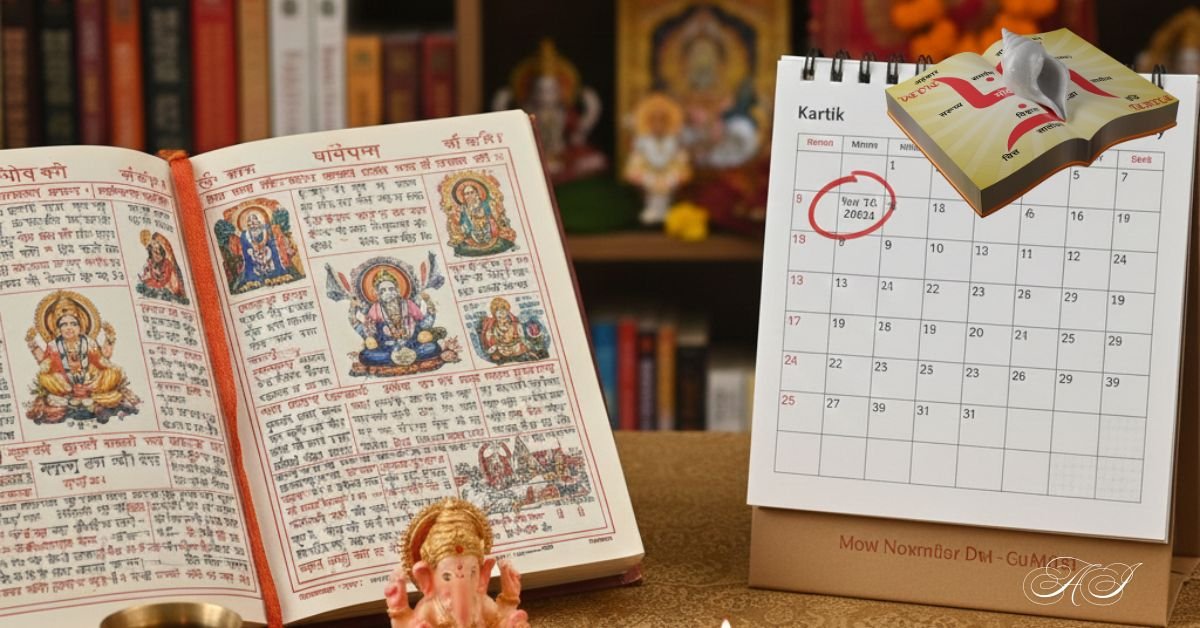
The Hindu calendar isn't arbitrary. It's built on lunar cycles that have been observed for thousands of years. And whether you think that's spiritual or just practical observation, the patterns work. People who align their puja with these dates report better results. More focus. Clearer intention. Whether that's because the timing is actually special or because your mind knows it's special—does it matter?
The Moon Matters More Than You Think
The moon controls a lot more than tides. It affects your sleep, your mood, your energy levels. Hindu tradition understood this long before science confirmed it.
When the moon is waxing (growing from new to full), energy moves outward. You feel expansive. Your mind is more active. This is Shukla Paksha, and it's the ideal time for most puja. You're starting things, asking for things, building things. The natural energy supports it.
When the moon is waning (shrinking from full to new), energy turns inward. You feel reflective, quieter. Your mind naturally goes deeper. This is Krishna Paksha, and it's better for meditation, for releasing what doesn't serve you, for serious sadhana (spiritual practice). Some traditions avoid starting new things during this phase, but that's just reading the energy correctly.
So the first rule: If you can, do puja during the waxing moon. Your intention has momentum behind it.
Full Moon (Purnima) Is Actually the Best
If you're going to do one really important puja this month, do it on Purnima—the full moon. This is when the moon is completely illuminated, completely visible. It's symbolic and actual at the same time.
Purnima is when families traditionally gather for Satyanarayan puja (blessing for household welfare). It's when Lakshmi puja happens. It's when you thank and celebrate what you have. The day feels different. Try it once and you'll understand why this has been the pattern for centuries.
The energy on full moon is clear, visible, abundant. Even if you're just doing personal puja at home, the quality of that day is different from random Tuesdays.
Ekadashi (The 11th Day) Is for Serious Practice
Ekadashi comes twice a month—the 11th day of each lunar phase. This day belongs to Lord Vishnu, and it's traditionally observed with fasting and intense spiritual focus.
You don't have to fast completely (though many people do). But Ekadashi is a day when you can actually go deeper in your practice. Your mind is naturally more receptive. Your body is lighter. If you're doing mantra japa, meditation, or reading scripture, Ekadashi amplifies it.
People who establish an Ekadashi practice often say it becomes the strongest point of their spiritual week or month. Something about that day just works. Again—whether it's the actual planetary influence or your mind being primed—does it matter? The result is the same.
Amavasya (New Moon) Isn't Bad, It's Different
A lot of people think new moon is inauspicious. Not quite. It's just different.
Amavasya is dark, quiet, fertile. It's when you do ancestral puja, when you meditate on Kali, when you work with practices that require depth and transformation. The darkness isn't empty—it's full of potential.
If you're in a health crisis or facing something heavy, Amavasya is when you do the serious work. Not because new moon is bad, but because the energy is raw and real. It strips away surface things.
Weekdays Actually Connect to Specific Deities
Each day of the week has a natural connection:
Monday (Somvar) is Shiva's day. If Shiva is your practice, Monday feels natural. If you want to establish a Shiva practice, starting on a Monday gives it momentum.
Tuesday (Mangalvar) is Hanuman's day. This is when people do Hanuman Chalisa, when they ask for strength and protection. Tuesday hits different if you're calling on Mars energy or Hanuman's courage.
Thursday (Guruvar) is Jupiter—wisdom, teaching, knowledge. If you're studying scripture or wanting clarity on something important, Thursday puja carries that quality.
Friday (Shukravar) is Venus and Lakshmi. Prosperity, beauty, harmony. If you're doing Lakshmi puja or asking for what you need materially or relationally, Friday aligns with that.
You don't have to match the day, but when you do, there's less friction. Your intention flows more naturally.
The Big Annual Dates Everyone Should Know
Navratri (happens twice a year)—nine nights of Devi worship. This is the heavyweight championship of puja timing. Anything you do during Navratri carries extra weight.
Diwali—the new moon in autumn. Lakshmi puja, lights, new beginnings. Biggest celebration of the year for good reason.
Mahashivaratri—Shiva's night. If you're going to do serious Shiva sadhana once a year, this is it.
Janmashtami—Krishna's birthday. Ganesh Chaturthi—Ganesha's day. These are the obvious big ones.
The Honest Truth
Yes, auspicious dates matter. But here's what matters more: actual consistency.
Someone who does puja every single day, on random dates, with real intention—that person gets better results than someone who waits for the "perfect" date and does puja once every two months.
The calendar gives you help. It gives you momentum. It creates alignment. But it doesn't replace actual practice.
If you're starting, pick a date, any date. Tomorrow works. Make it happen. Once you have momentum, then you can layer in the calendar wisdom. Full moon, Ekadashi, your deity's weekday—these become the amplifiers, not the prerequisites.
The calendar isn't blocking you. It's supporting you. Use it that way.