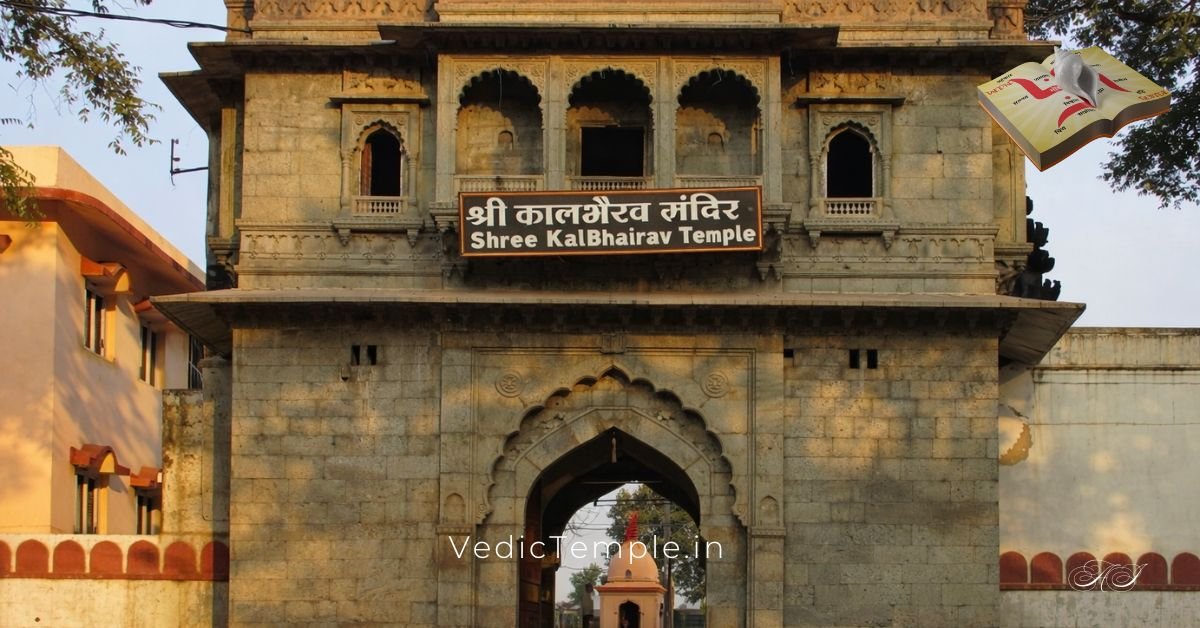
The Kaal Bhairav Temple in Ujjain, Madhya Pradesh, is one of the most prominent Bhairav shrines in India and an integral part of Ujjain’s ancient Shaivite heritage. Dedicated to Lord Kaal Bhairav, a fierce manifestation of Lord Shiva, the temple holds religious, cultural, and historical importance for devotees, scholars, and visitors interested in Hindu traditions.
Situated within one of Hinduism’s most sacred cities, the temple continues to function as a living place of worship while also representing centuries of evolving religious practice.
Historical Background
Ancient Roots and Sacred Geography
Ujjain is recognized in Hindu tradition as one of the Sapta Puri—the seven most sacred cities associated with spiritual liberation. References to Ujjain appear in ancient Sanskrit literature, including classical works attributed to Kalidasa, indicating the city’s long-standing religious importance.
While the exact date of construction of the Kaal Bhairav Temple remains debated among historians, archaeological observations and regional records suggest that Bhairav worship in Ujjain has been established for several centuries. The temple’s continuity reflects the sustained importance of Bhairav within Shaivite and tantric traditions.
Religious Significance
Kaal Bhairav as the Guardian of Ujjain
In Hindu belief, Kaal Bhairav is regarded as the Kotwal (guardian deity) of Ujjain. This role symbolically places the deity as protector of the city’s sacred boundaries and moral order. Traditional narratives describe Bhairav as a regulator of time, discipline, and spiritual law.
The temple gains heightened significance during the Simhastha Kumbh Mela, one of Hinduism’s largest religious gatherings, when pilgrims include Kaal Bhairav Temple as part of their ritual journey through Ujjain.
Temple Architecture and Iconography
Architectural Layout
The temple reflects regional temple architecture common to central India:
-
Garbhagriha (Sanctum Sanctorum): Houses the primary image of Lord Kaal Bhairav, where daily rituals are conducted.
-
Mandapa and Outer Areas: Provide space for devotees during darshan and ceremonial observances.
-
Courtyard and Entrance: Designed to accommodate pilgrims during festivals and peak visiting hours.
The structure emphasizes functionality and ritual continuity rather than ornamental grandeur.
Iconographic Representation
The image of Kaal Bhairav follows classical iconographic conventions:
-
Fierce expression symbolizing authority and protection
-
Association with weapons and symbolic objects
-
Dog (Shva) as the vahana, representing vigilance and guardianship
These features align with descriptions found in Shaivite and tantric texts.
Ritual Practices and Worship Traditions
Daily Worship
The temple follows a traditional worship schedule:
-
Morning Aarti: Conducted in the early hours according to Hindu calendrical systems
-
Midday Rituals: Regular offerings and prayers
-
Evening Aarti: A major gathering time for devotees
Timings may vary seasonally and should be verified locally.
Special Observances
-
Tuesday Worship: Considered especially significant in Bhairav traditions
-
Major Festivals: Maha Shivaratri, Navaratri, and regional observances involve special ceremonies and increased participation
Distinctive Ritual Tradition
The temple is widely noted for its unique liquid offering ritual, rooted in historic tantric customs associated with Bhairav worship. These practices are performed exclusively by authorized priests following long-established ritual guidelines and are observed by visitors as part of the temple’s living tradition.
Theological Context
Within Hindu philosophy, Kaal Bhairav represents:
-
Time (Kaal): Symbolizing change, discipline, and impermanence
-
Protection: Guardian of sacred spaces and spiritual order
-
Tantric Significance: An important figure within Shaivite tantric practices
These aspects position the temple as both a spiritual and symbolic landmark within Ujjain.
Visitor Information
Location and Accessibility
Location: Old city area of Ujjain, Madhya Pradesh
How to Reach:
-
By Air: Devi Ahilyabai Holkar Airport, Indore (≈55 km)
-
By Rail: Ujjain Junction connects to major Indian cities
-
By Road: Regular bus and taxi services via state and national highways
Temple Timings
The temple is generally open from early morning until late evening. Darshan and aarti schedules may change during festivals or special occasions.
Visitors are advised to confirm timings locally before arrival.
Best Time to Visit
-
October to March: Comfortable climate
-
April to June: Early morning or evening visits recommended
-
July to September: Monsoon season; temple remains operational
Festival periods offer rich cultural experiences but involve larger crowds.
Facilities
-
Drinking water and basic restrooms near the temple
-
Nearby accommodation options (budget to mid-range)
-
Vegetarian food outlets and religious item shops
Dress Code and Temple Etiquette
Visitors are encouraged to follow standard Hindu temple customs:
-
Modest clothing covering shoulders and knees
-
Footwear removal before entry
-
Photography restrictions may apply
-
Maintain respectful silence during rituals
Cultural and Academic Importance
Scholarly Interest
The temple has been referenced in studies related to:
-
Shaivite and tantric religious traditions
-
Pilgrimage anthropology
-
Regional temple architecture
-
Living ritual practices in Hinduism
Role in Local Community
Beyond worship, the temple functions as:
-
A cultural gathering space
-
A contributor to religious tourism
-
A support system for local livelihoods
Nearby Attractions
Visitors often combine their visit with:
-
Mahakaleshwar Jyotirlinga – One of the twelve Jyotirlingas
-
Ram Ghat – Sacred bathing ghat on the Shipra River
-
Harsiddhi Temple – Ancient Shakti Peeth
-
Other historic temples within Ujjain’s pilgrimage circuit
Conservation and Management
The temple is maintained by temple authorities and local committees responsible for:
-
Daily worship and administration
-
Structural maintenance
-
Festival coordination
-
Preservation of ritual traditions
Community participation plays a significant role in sustaining the temple’s heritage.
The Kaal Bhairav Temple in Ujjain stands as a significant religious and cultural institution rooted in centuries of Shaivite tradition. Its role as the guardian shrine of Ujjain, combined with its distinctive rituals and historical continuity, makes it an important destination for religious pilgrims, researchers, and culturally curious visitors.
Engaging with the temple respectfully and with awareness of its traditions allows visitors to better understand the depth of Ujjain’s spiritual heritage while contributing to the preservation of this enduring sacred site.