Holi 2026 Date, Timing and Complete Guide: The Festival of Colors
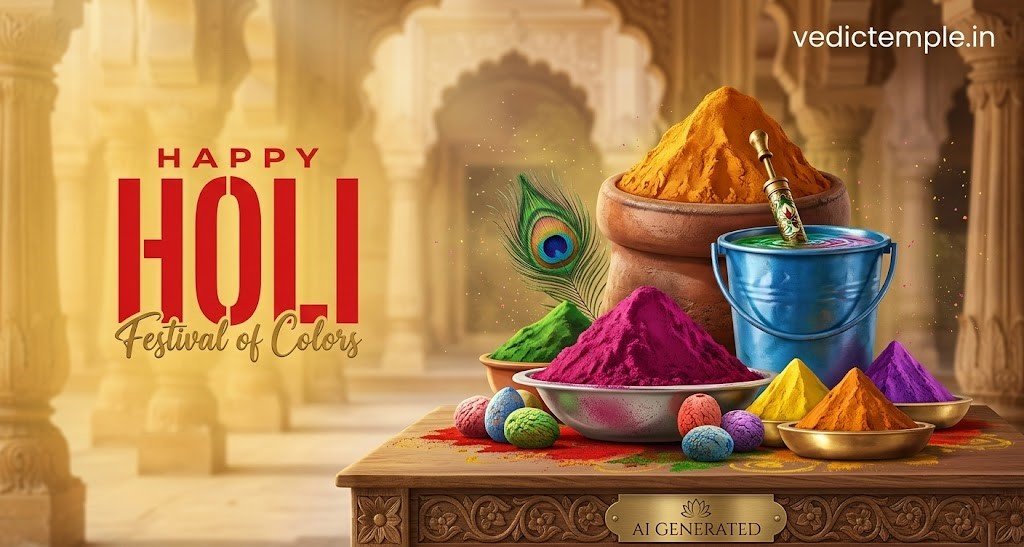
The vibrant festival of Holi is one of the most anticipated and joyous occasions in the Hindu calendar. It celebrates the arrival of spring, the triumph of good over evil, and the divine love of Radha and Krishna.
Because Holi is based on the lunar calendar (celebrated on the Purnima or full moon of the Phalguna month), the date shifts every year. In 2026, the festival brings an interesting cosmic twist due to the occurrence of a Lunar Eclipse (Chandra Grahan) overlapping with the full moon.
If you are planning your celebrations, here is the complete, accurate, and scientifically backed guide to the dates, timings, and rituals for Holi 2026.
Important Dates for Holi 2026 at a Glance
To plan your festivities, mark these two primary dates on your calendar. Because of the astrological events this year, the dates are firmly set as follows:
-
Holika Dahan (Chhoti Holi): Tuesday, March 3, 2026
-
Rangwali Holi (Dhulandi): Wednesday, March 4, 2026
Purnima Tithi and Holika Dahan Muhurat
Holika Dahan must traditionally be performed during the Pradosh Kaal (post-sunset) while the Purnima Tithi is active and the Bhadra Kaal has passed. Here are the exact lunar timings for 2026:
-
Purnima Tithi Begins: 05:55 PM on Monday, March 2, 2026
-
Purnima Tithi Ends: 05:07 PM on Tuesday, March 3, 2026
The Holika Dahan Shubh Muhurat (March 3, 2026):
-
Ideal Timing: 06:22 PM to 08:50 PM
-
Duration: 2 Hours 28 Minutes
The Impact of the 2026 Chandra Grahan (Lunar Eclipse)
The year 2026 brings a rare celestial event: a Lunar Eclipse falling on March 3, the exact day of Holika Dahan.
-
The Eclipse Timing: The eclipse will be visible in India, concluding around 06:47 PM IST.
-
Sutak Kaal: The Sutak (inauspicious period before an eclipse) begins 9 hours prior. During this time, religious rituals and pujas are paused.
-
When to Light the Bonfire: Because religious fires cannot be lit during the Sutak or the eclipse itself, astrologers strongly advise waiting until the eclipse officially ends. Therefore, the most auspicious time to perform the Holika Dahan ritual on March 3 is immediately after 06:47 PM. Once the eclipse clears, you can safely proceed with the sacred bonfire.
Significance of Holika Dahan
Holika Dahan, lit on the eve of the main festival, is deeply rooted in the Puranic legend of Bhakt Prahlad and the demoness Holika.
Holika, who had a boon that made her immune to fire, tried to burn her nephew Prahlad alive because of his unwavering devotion to Lord Vishnu. However, Prahlad's devotion protected him, and Holika was consumed by the very fire she thought would save her.
Today, lighting the bonfire symbolizes the burning away of arrogance, negativity, and evil. Families gather around the fire to offer unroasted grains, coconut, and sweets, praying for the protection and prosperity of their households.
How to Celebrate Rangwali Holi (March 4, 2026)
After the spiritual cleansing of Holika Dahan, the next morning—Wednesday, March 4—is dedicated entirely to joy, playfulness, and community.
-
The Colors (Gulal): The day begins early, usually by 8:00 AM, with people taking to the streets to smear dry gulal and splash colored water on friends, family, and even strangers.
-
The Feast: No Holi is complete without traditional delicacies. Homes are filled with the aroma of freshly made Gujiya, Malpua, Dahi Bhalla, and the classic festive drink, Thandai.
-
The Spirit: Holi is known as the festival where old rivalries are forgotten. The phrase "Bura na mano, Holi hai" (Don't mind, it's Holi) echoes everywhere, encouraging forgiveness and unity.
A Quick Tip for a Safe Celebration
While playing with colors on March 4, try to opt for organic, skin-safe, and eco-friendly gulal made from flowers and natural dyes. Apply a thin layer of coconut or mustard oil to your skin and hair before stepping out to protect yourself from harsh chemicals and make the post-Holi cleanup effortless.