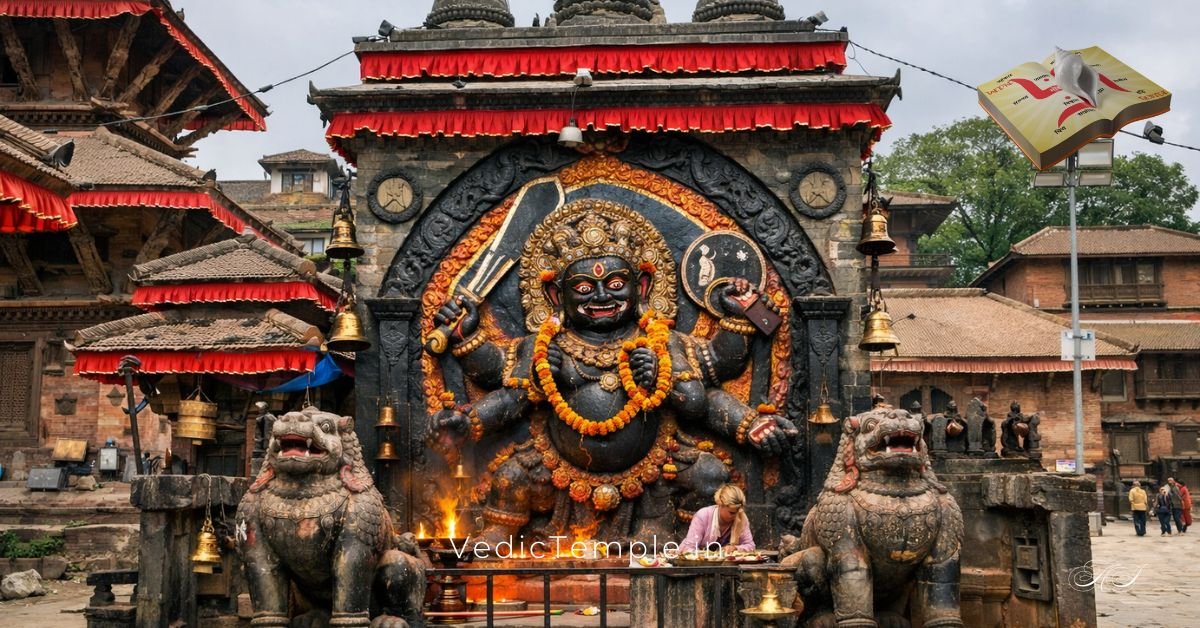
Bhairav temples represent an important aspect of Hindu religious architecture and tantric traditions across the Indian subcontinent. These sacred sites, dedicated to Bhairav—a fierce manifestation of Lord Shiva—have served as centers of worship for centuries, attracting devotees and scholars interested in Hindu theology and iconography.
Historical Background of Bhairav Worship
The worship of Bhairav dates back to ancient Hindu texts, including the Puranas and various Tantric scriptures. Historical evidence suggests that Bhairav temples emerged prominently during the medieval period, with inscriptions and architectural remains indicating their presence from the 8th century onwards.
Bhairav is considered a guardian deity in Hindu tradition, associated with the protection of sacred spaces and the enforcement of cosmic order. The name "Bhairav" is derived from the Sanskrit word meaning "terrible" or "formidable," reflecting the deity's role as a protective force.
According to Hindu mythology, Bhairav originated from Lord Shiva and is described in eight primary forms, collectively known as Ashta Bhairav. Each form represents different aspects of time, direction, and spiritual discipline within Hindu cosmology.
Architectural Features of Bhairav Temples
Bhairav temples exhibit diverse architectural styles depending on their geographic location and period of construction. Common architectural elements include:
Temple Location and Layout: Traditionally, Bhairav temples were constructed at significant locations such as city boundaries, crossroads, or near cremation grounds, symbolizing the deity's role as a guardian of thresholds and sacred spaces.
Iconographic Representation: The deity is typically depicted in fierce form with specific iconographic attributes including a dark complexion, multiple arms carrying weapons, a garland, and accompanied by a dog as the divine vehicle (vahana).
Color Symbolism: Many Bhairav temples feature red and black color schemes, which hold symbolic significance in tantric traditions representing energy and cosmic power.
Structural Design: Temple structures range from simple roadside shrines to elaborate temple complexes with separate sanctums, mandapas (halls), and surrounding walls.
Major Bhairav Temples in India
Kaal Bhairav Temple, Varanasi
Located in Varanasi, Uttar Pradesh, this temple is considered one of the most significant Bhairav shrines in India. Historical records indicate the temple's existence for several centuries, though exact dating remains debated among historians.
The temple serves as an important pilgrimage site within the Varanasi temple circuit. The deity here is known as Kaal Bhairav, the "guardian of time" and traditional protector of the city of Varanasi.
Batuk Bhairav Temple, Ujjain
Situated in Ujjain, Madhya Pradesh, this temple holds importance as one of the Ashta Bhairav shrines. The temple attracts visitors during major Hindu festivals and the Kumbh Mela held in Ujjain.
Kaal Bhairav Temple, Kathmandu
This temple in Kathmandu, Nepal, features a large stone relief of Bhairav's face dating back several centuries. The shrine demonstrates the cross-cultural spread of Bhairav worship beyond India's borders, with both Hindu and Buddhist communities participating in worship.
Religious Practices and Ritual Traditions
Bhairav temples follow distinct ritual practices that differ from mainstream Hindu worship traditions:
Worship Timings: Specific days, particularly Tuesday and Sunday, are considered auspicious for Bhairav worship according to traditional Hindu calendars.
Ritual Offerings: Traditional offerings include flowers, incense, oil lamps (diyas), and sacred food offerings (prasad). Some temples follow tantric traditions that incorporate unconventional offerings as part of their historical ritual practices.
Mantras and Prayers: Devotees recite specific Sanskrit mantras dedicated to Bhairav, including the Kaal Bhairav Ashtakam—an eight-verse hymn praising the deity's attributes.
Festival Celebrations: Major Hindu festivals such as Maha Shivaratri, Navaratri, and regional celebrations feature special worship ceremonies at Bhairav temples.
Cultural and Religious Significance
Role in Hindu Theology
Within Hindu religious philosophy, Bhairav represents several theological concepts:
- Guardian Deity (Kshetrapal): Bhairav serves as the protector of sacred spaces and geographical regions
- Tantric Significance: The deity holds central importance in tantric Hindu traditions and practices
- Time and Destruction: Kaal Bhairav specifically relates to concepts of time, transformation, and the cyclical nature of existence
Influence on Indian Culture
Bhairav worship has influenced various aspects of Indian culture:
Classical Music: The Bhairav raga in Hindustani classical music derives its name from the deity, characterized by serious and contemplative moods performed during early morning hours.
Folk Traditions: Regional folk cultures across North India incorporate Bhairav worship into local festivals, processions, and ritual performances.
Art and Iconography: Bhairav's distinctive iconography appears in temple sculptures, paintings, and religious art throughout Indian history.
Regional Variations
Bhairav worship exhibits regional diversity across India:
North India: Temples predominantly follow Shaivite traditions with emphasis on tantric ritual elements.
South India: Bhairav worship often merges with local deity traditions, sometimes known by different names like Bhairava or Vairavar.
Nepal and Tibet: Buddhist tantric traditions incorporate similar protective deities like Mahakala, showing cross-religious influence.
Archaeological and Historical Research
Archaeological studies of Bhairav temples provide insights into medieval Indian religious practices. Inscriptions found at various temple sites offer valuable information about:
- Historical patronage by rulers and wealthy merchants
- Evolution of architectural styles across different periods
- Changing ritual practices and religious customs
- Social and economic aspects of temple administration
Several universities and research institutions have documented Bhairav temples as part of broader studies on Hindu temple architecture and tantric traditions.
Visitor Information
Temple Etiquette
Visitors to Bhairav temples should observe standard Hindu temple protocols:
- Modest dress covering shoulders and knees
- Removal of footwear before entering sanctum areas
- Photography restrictions may apply in certain temples
- Respectful behavior maintaining the sacred atmosphere
Accessibility
Most major Bhairav temples are accessible to visitors of all faiths. Operating hours vary by location, with many temples open from early morning until evening. Some temples conduct special evening aarti (prayer ceremonies) open to public participation.
Academic and Cultural Interest
Bhairav temples attract interest from various academic disciplines:
Religious Studies: Scholars examine tantric Hindu practices and the evolution of deity worship Anthropology: Researchers study ritual practices and their social contexts Art History: Academics analyze iconographic traditions and sculptural styles Architecture: Experts document temple construction techniques and design evolution
Conservation Efforts
Several Bhairav temples, particularly those of historical significance, are protected under Indian heritage laws. The Archaeological Survey of India (ASI) oversees preservation of temples deemed monuments of national importance.
Local communities and temple trusts also participate in maintenance and restoration activities, ensuring these cultural landmarks remain accessible for future generations.
Bhairav temples represent a significant component of India's religious and cultural heritage. These sacred sites offer valuable insights into Hindu tantric traditions, medieval religious practices, and regional variations in worship. Whether approached from religious, historical, or cultural perspectives, Bhairav temples continue to serve as important landmarks in understanding India's diverse spiritual landscape.
For those interested in Hindu temple architecture, religious studies, or cultural tourism, visiting these temples provides an opportunity to observe living traditions that have evolved over centuries while maintaining their historical essence.